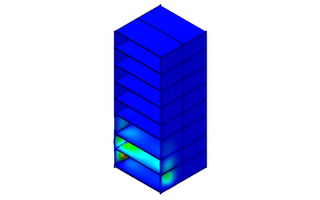
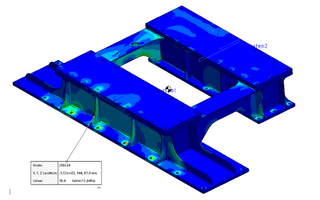
FEA has played an important role in the design and analysis of mechanical products for decades, however it has been prohibitively expensive. Now that FEA tools are incorporated into the best CAD software, it is a much more affordable and accessible option.
We must caution you: FEA must be used with care. FEA produces fantastic colour plots and it can be difficult to notice that you have made a mistake. It becomes a case of rubbish in=rubbish2 out.
Here are some other common traps:
- Thinking the answer is right before checking the scale is the easiest trap to fall into!
- Incorrect restraints are easy to apply and can significantly change the final result. Also, view results near restraints with caution as it takes an experienced analyst to get valid results in these areas.
- A coarse mesh is a very easy way to understate your stresses whilst an overly fine mesh may take days to solve. Making sure the mesh is appropriate for your model is a skill that comes with training and experience.
- Bad assumptions can mean the analysis is doomed from the start. Make sure that the research has been done and the assumptions make sense. If the analyst wasn’t given the full story, they might be assuming something completely wrong with the setup.
- FEA is not a substitute for final physical testing. It should be used to minimise testing required, reduce development costs, and accelerate time to market!
And here are some examples of successful FEA projects: