STAY CONNECTED WITH CALIBER
Issue 4, January 2026
Caliber’s secondment model means most of our roles suit engineers with a few years of industry experience. If you are still building that foundation, we are keen to stay connected while you do.
This update shares what has been happening inside Caliber, how the engineering landscape is developing, and why many engineers see Caliber as a place to build a long-term career.
WHAT’S HAPPENING AT CALIBER
Growth & Maturity
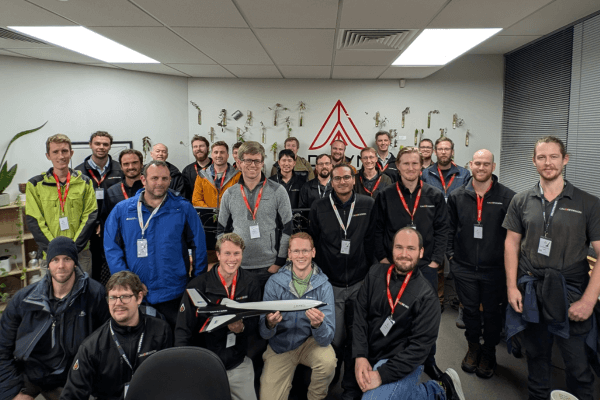
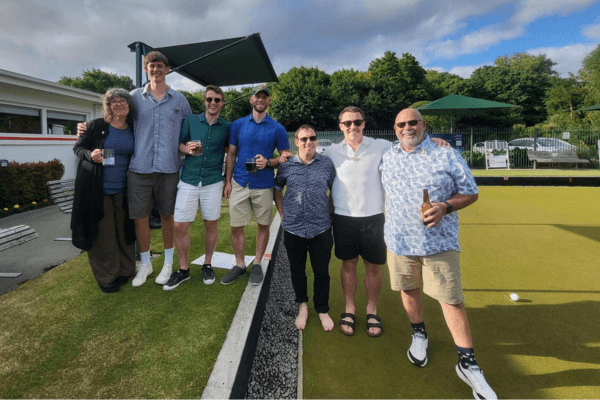
Caliber continues to grow and mature as a business. Over the past year, we expanded our team from 70 to 79, promoted more engineers into technical lead and team lead roles, and celebrated our tenth birthday. We’re really proud that Caliber has grown into a company where engineers can develop their careers. We have recently recognised multiple four and five year+ anniversaries.

Work in Emerging Technology
In 2025, we set a goal to work with seven emerging technology companies and finished the year partnering with nineteen—this reflects the level of world-leading innovation that’s happening locally. We’d love to tell you more details, but a lot of the work is covered by strict NDAs … but it spans areas such as aerospace, advanced materials, robotics, energy systems, innovative transport, and specialised manufacturing. These projects tend to move quickly and require engineers who can think clearly, adapt fast, and work across design, analysis, and early-stage delivery. It’s really exciting work and we’re thrilled to be part of it.
… and Project Engineering
We are seeing a continued increase in project engineering work. More of our engineers are stepping into delivery-focused secondments that bridge the gap between design, manufacturing, site teams, and delivery. We have several engineers working towards PMP certification. Checkout our new Project Engineering brochure here.
The Caliber Challenge
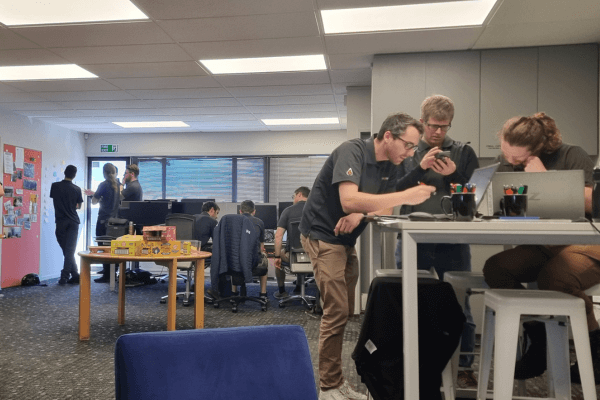
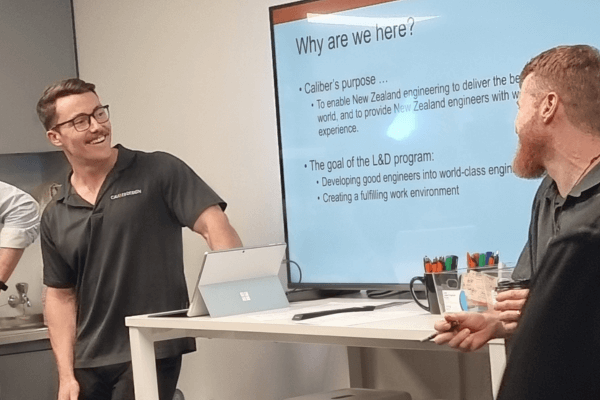
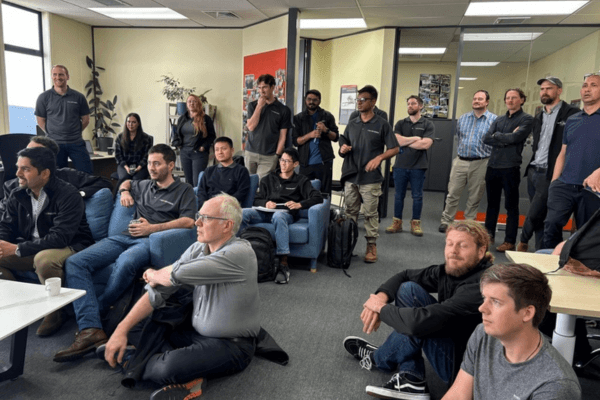
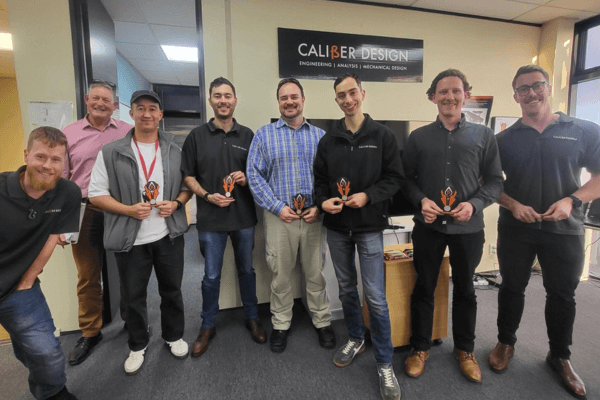
This year’s inaugural Caliber Challenge brought engineers together for a fast-paced, team-based design sprint that reflects the work we do every day. Small, cross-functional teams were given a live-style client brief and a tight timeframe to develop a technically sound and commercially viable concept.
Teams worked end-to-end, from problem framing and concept development through to a business case and final pitch. The challenge balanced engineering rigour, user experience, sustainability, and brand fit, and was judged on both solution quality and how teams worked together.
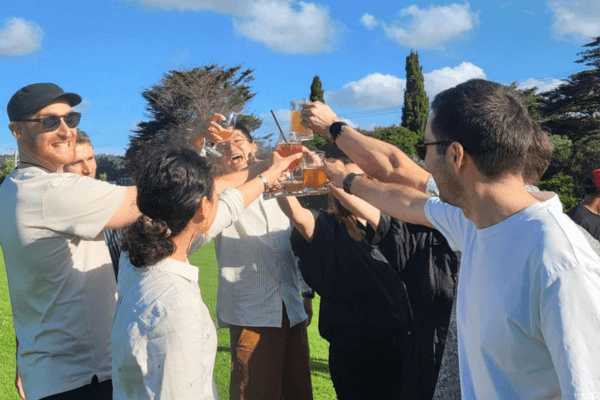
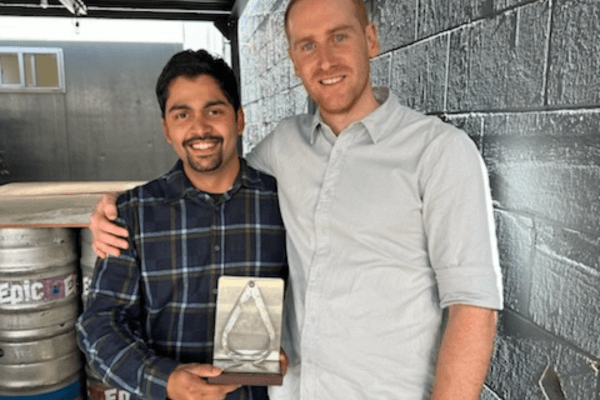
This was a great team building event—plenty of challenge, teamwork, and lots of laughs:
What Our Engagement Survey Tells Us
We run an annual team engagement survey to understand how our engineers are actually experiencing work at Caliber, so we can protect what’s working well and address what isn’t.
In our latest engagement survey, more than three quarters of our engineers rated Caliber a 9/ or 10/10 as a place to work, and 95 percent rated their satisfaction at 4 or 5 on a five-point scale. Engineers consistently highlighted the strength of the Caliber network, the support of their Team Leads, and a culture of learning. They value the support they receive while on secondment, while also remaining connected to the wider team. Consensus is that Caliber is a high-trust environment that helps people do good work and continue developing over time.
Of course, there’s always room for improvement. This year our focus is on creating even clearer career pathways, continuing to strengthen feedback and mentoring, and strengthening our investment in our L&D programme. We’re determined to maintain our culture of support and connection as we grow, so this is a constant focus.
You can see some more comments and stats from the latest survey on our website.
Careers FAQs Now Live
We have added a careers FAQ to the website, addressing common questions we hear from engineers considering Caliber, including:
- Are Caliber engineers employees or contractors?
- How does secondment work day to day?
- Will I be left on my own at a client site?
- What happens between secondments?
- Will I need to move cities?
- What support is there for early-career engineers?
- How do teams stay connected?
- What does learning and development look like?
- How does career progression work?
- Do you support engineers relocating to New Zealand?
- Why does Caliber advertise so often?
WHAT’S HAPPENING IN THE INDUSTRY
Working inside engineering teams across New Zealand gives us a practical view of how the manufacturing and engineering sector is tracking. In 2025, we continued to see steady momentum despite tough economic conditions. Companies progressed capital projects, refined existing equipment, developed new products, and invested in capability, often while managing tight internal resourcing and live operational constraints.
Our latest podcast with Fi Innovations is a good example of this in practice, exploring how a Southland-based business has evolved from traditional manufacturing into advanced composites and additive manufacturing.
To stay across these trends more broadly, you can also subscribe to Celebrating Kiwi Innovation, our monthly industry newsletter sharing a concise snapshot of notable engineering and manufacturing innovation happening across New Zealand.