STAY CONNECTED WITH CALIBER
Issue 2, January 2025
Thanks for your interest in working with us! Here’s some behind-the-scenes info from Caliber …
CALIBER’S SECONDMENT MODEL
Caliber’s business model provides businesses with a unique way of staffing engineering projects. We call it ‘seconded engineering’, where our engineers are embedded within a client’s team on a project basis, working under their direction.
For our engineers, this means variety across industries and companies, products and projects. That’s why most of our engineers join Caliber—want to experience every corner of the industry and are excited by the prospect of a steep learning curve. Here are some more pros and cons from our engineers’ perspective:
PROS
- Rapid skill development through projects and the formal learning and development program
- Access to a network of engineers who are genuinely keen to help and share knowledge
- Flexibility around hours and /or location
- Structured mentorship via Technical Leads
- Opportunities for growth within the company
- Positive company culture that supports wellbeing
- Lots of project time—not bogged down with admin or politics
CONS
- Limited ability to choose secondments
- Project quality and depth varies
- Regular change and uncertainty
- Potential for isolation and lack of team integration if you don’t make an effort
- Sometimes need to actively seek feedback from clients
- Multiple bosses—need to meet client and Caliber expectations
At Caliber, the unique value is the diversity of industry exposure and work environments. Unlike traditional roles confined to a single sector, this approach allows me to engage with multiple industries in rapid succession. By working directly at client sites, I gain insights into varied organisational processes, procedures, and operational cultures. This continuous exposure creates a dynamic professional experience where each secondment becomes an opportunity for learning and process improvement. The ability to cross-pollinate best practices and innovative approaches across different industries is a significant differentiator from more static work environments.
HOW TO GET ‘CALIBER-READY’
SolidWorks CAD Design Professional (CSWP) Certification
We’re keen for all of our engineers to have this qualification within 12 months of starting with us. If you got this qualification under your belt before you started at Caliber, you’d have a great head start.
Artificial Intelligence
We all know AI is evolving quickly. As a professional engineer, it’s really important to be tuned in to this technology … even if you aren’t quite ready to adopt it yet.
At the end of last year we ran a company-wide training course to understand the AI adoption cycle, explore the basics of AI, and delve into our internal strategy. We covered the current landscape of AI tools—when and how to use them effectively, how to maximise their potential, and how to avoid the pitfalls … we also got stuck into some real world use cases (including a group exercise planning the conversion of Caliber’s founder, Jonathan Prince’s, Ariel Atom to hydrogen fuel!)
Here is some information that our team has found useful:
AI USE CASES
We have few early adopters at Caliber who are embracing AI, and thanks to our strong culture of knowledge-sharing, the entire team is benefitting from that. The most significant AI use cases for us right now are:
- Learning new skills
- Writing code and macros
- Analysing data
- Summarising content
- Generating ideas/content
- Digitising processes
OUR GUIDING PRINCIPLES
We’ve challenged our team to follow these four guiding principles for working with artificial intelligence:
- Invite AI to the table
- Be the human in the loop
- Treat AI like a collaborator
- Assume this is the least advanced AI you will ever work with
Here are some great resources for getting, and keeping, up to speed with AI:

WHAT WE’VE BEEN LEARNING AS A TEAM
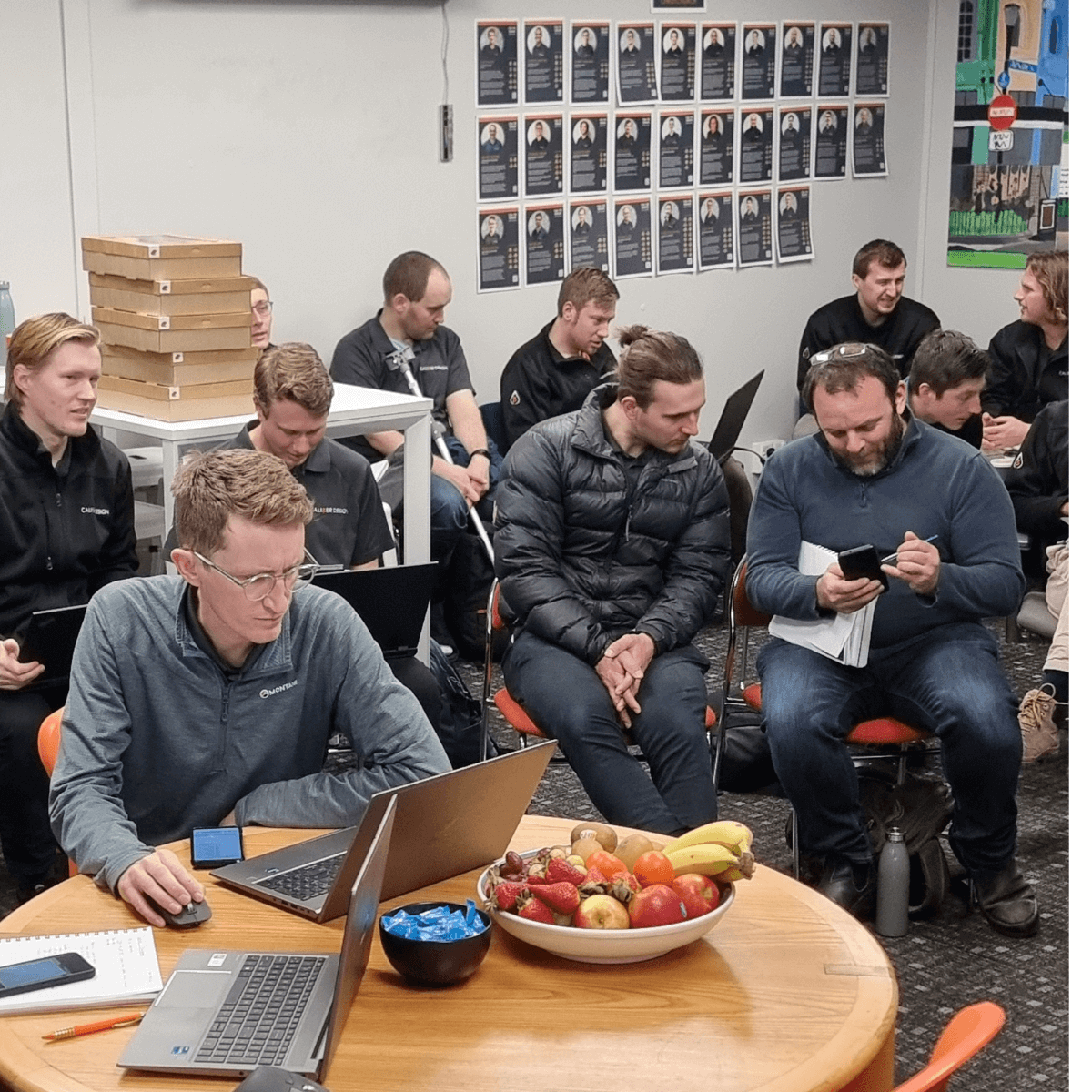
We run regular Tech Tuesday webinars … Caliber engineers talk about an area of expertise or passion projects. It’s a really effective way of sharing knowledge across the team and building our culture of sharing.
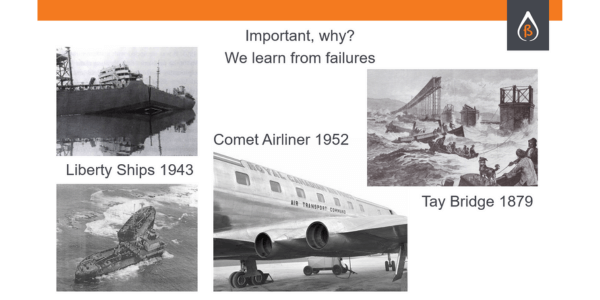
Fracture & Failure Mechanics – Daniel Du Plessis provided a deep dive into the importance of understanding fracture and failure mechanics. He discussed how identifying failure modes (such as ductile vs brittle failures) plays a crucial role in design, enabling us to predict material behaviour under different loading conditions. Daniel covered key methods for analysing materials, from compositional and destructive testing to non-destructive testing techniques that reveal structural integrity without causing damage. He also shared real-world examples, such as the failures of Liberty Ships and Comet Airlines, explaining how these historical cases inform today’s design standards and practices.
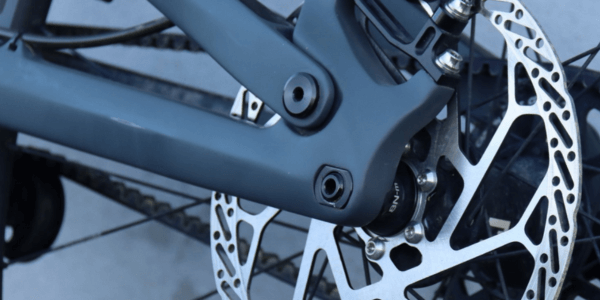
Developing a Niche Product – Taylor Grey recently shared the impressive journey he’s been on while developing and commercialising a high-end mountain bike brake assembly, Kaha. He shared lessons learnt first-hand … the benefits of 3D printing for rapid prototyping, as well as its limitations for high-precision parts; the unique challenges he faced manufacturing in New Zealand, from high costs to limited capabilities; and the insight he’s got into the business side of things. You can find out more about Kaha here.
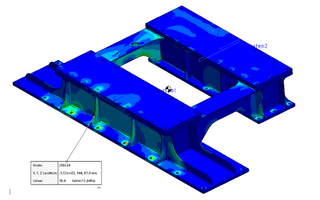
Analysis @ Caliber – Our Analysis Lead Aaron Johnson shared insights into what analysis is at Caliber … ensuring consistent quality and managing technical risks for our clients. Here’s how we make a difference:
- Technical expertise – We follow robust processes, leverage cutting-edge tools like Mathcad, and provide peer-reviewed, traceable documentation for every project.
- Collaboration – Our engineers work in-house with clients, integrating seamlessly into their teams to solve complex challenges.
- Continuous improvement – From mentoring and training to refining our resources, we invest in our team to keep delivering at the highest level.
- Analysis isn’t just a step in the process — it’s a mindset that drives everything we do, ensuring we deliver exceptional results, every time.
MoorMaster Pedestal
CAVOTEC
Design a pedestal to elevate the system to meet custom requirements.

DMU Cattle Weigh Platform
DATAMARS
FEA and hand calcs verify the forces and stresses encountered under operating extremes.

F1 Camera Turret Analysis
SHOTOVER CAMERA SYSTEMS
Operation limits were determined without the need for full scale destructive tests.

Mussel Oil Extraction Vessels
AIE
Technical and drafting support to ensure client requirements and industry standards were met.
CULTURE
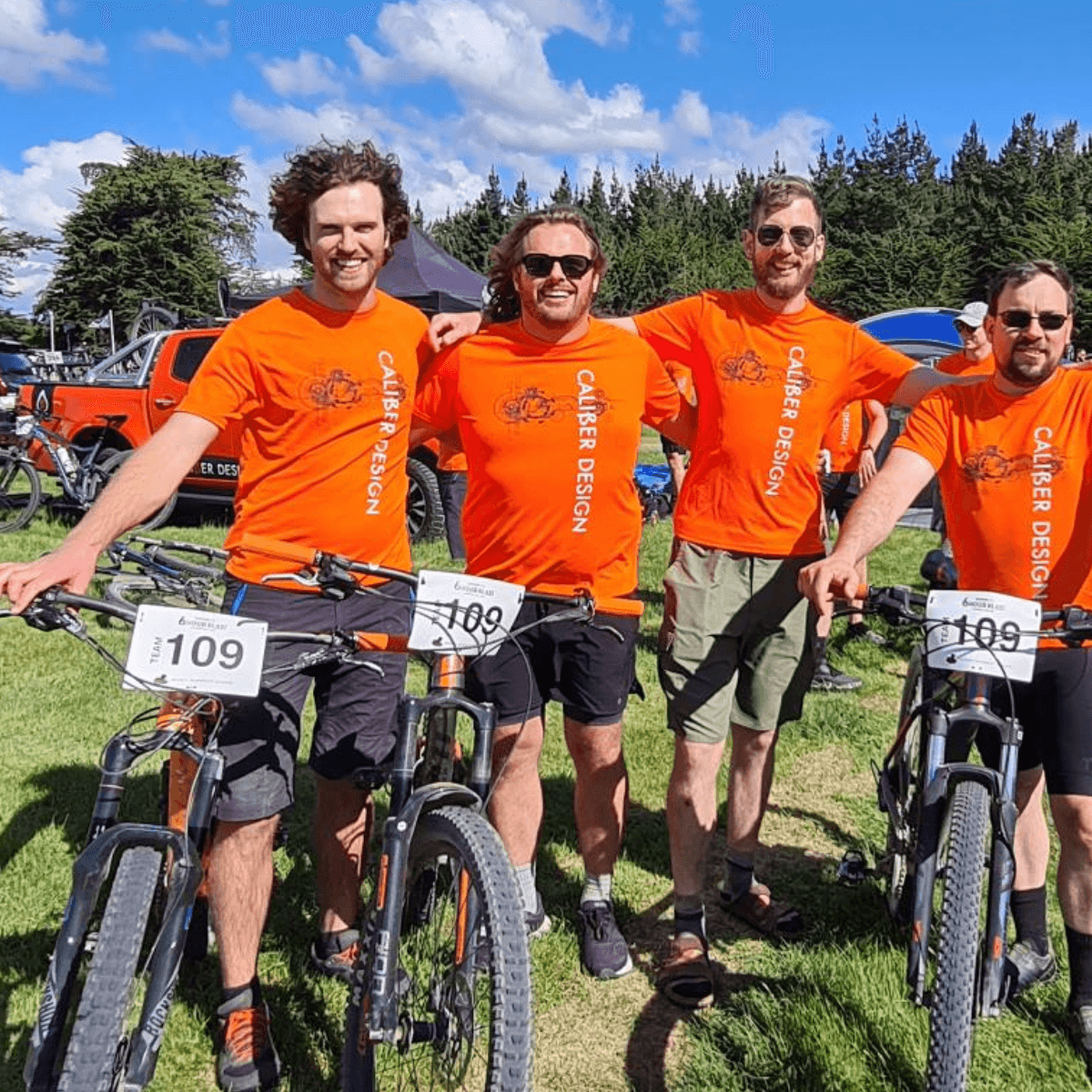
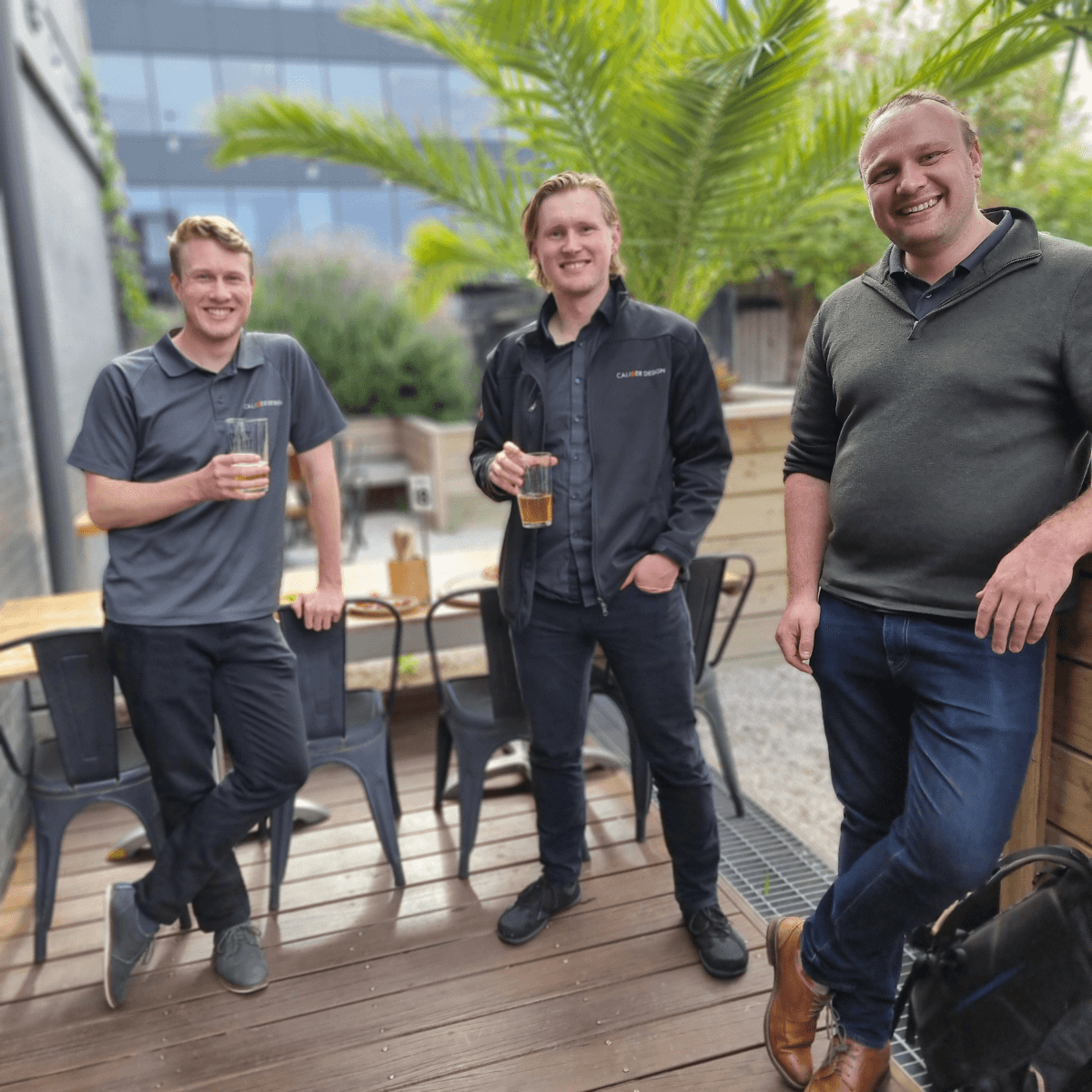
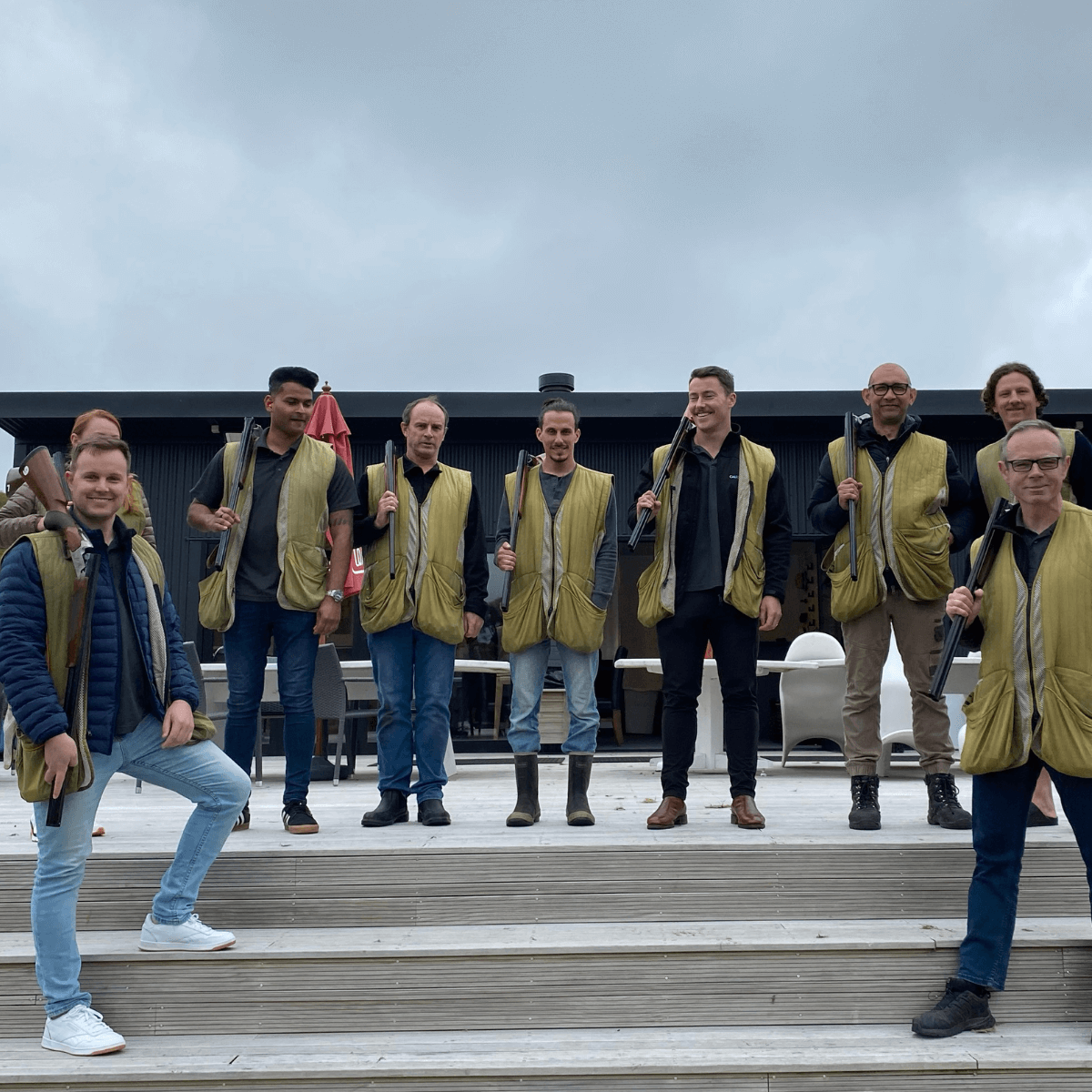
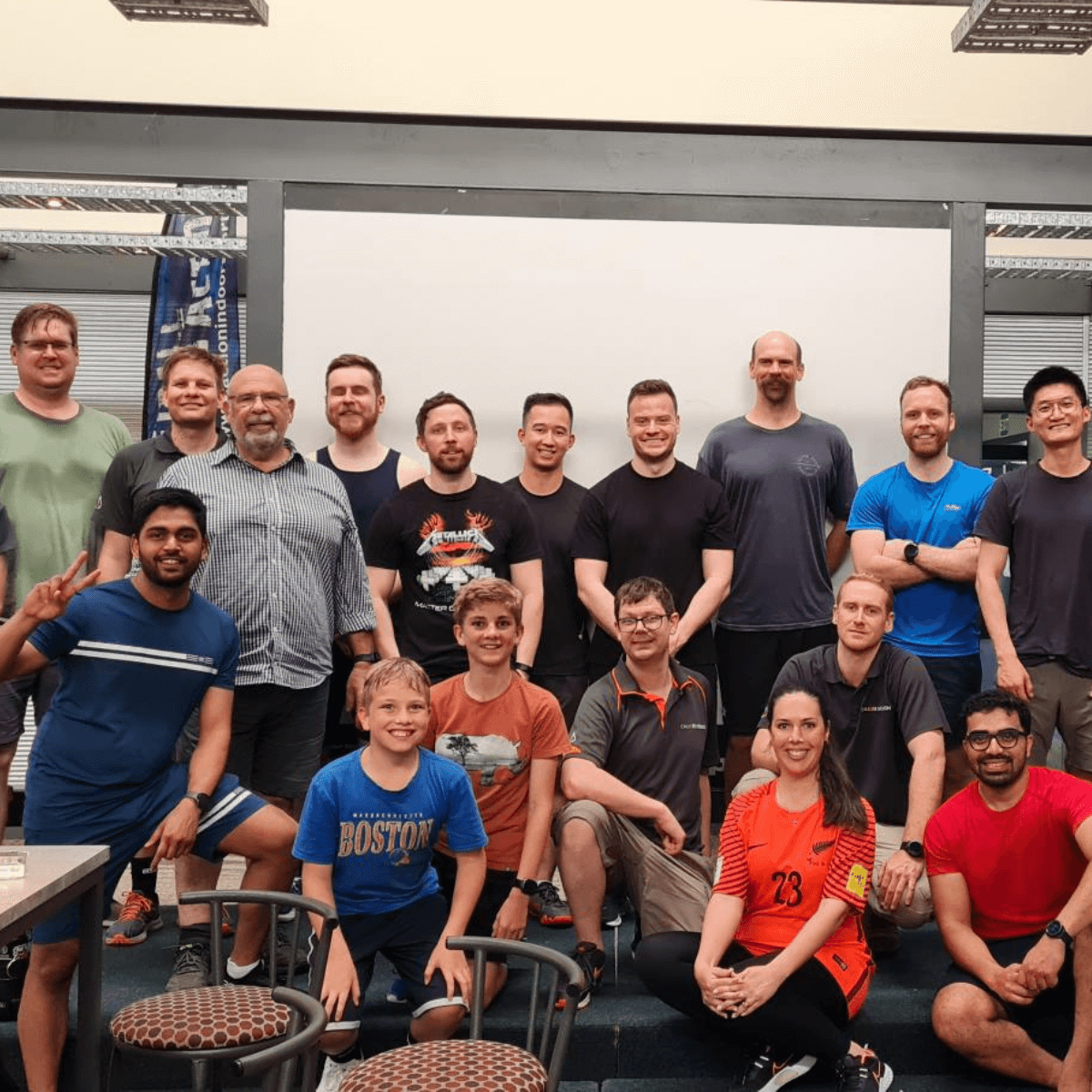
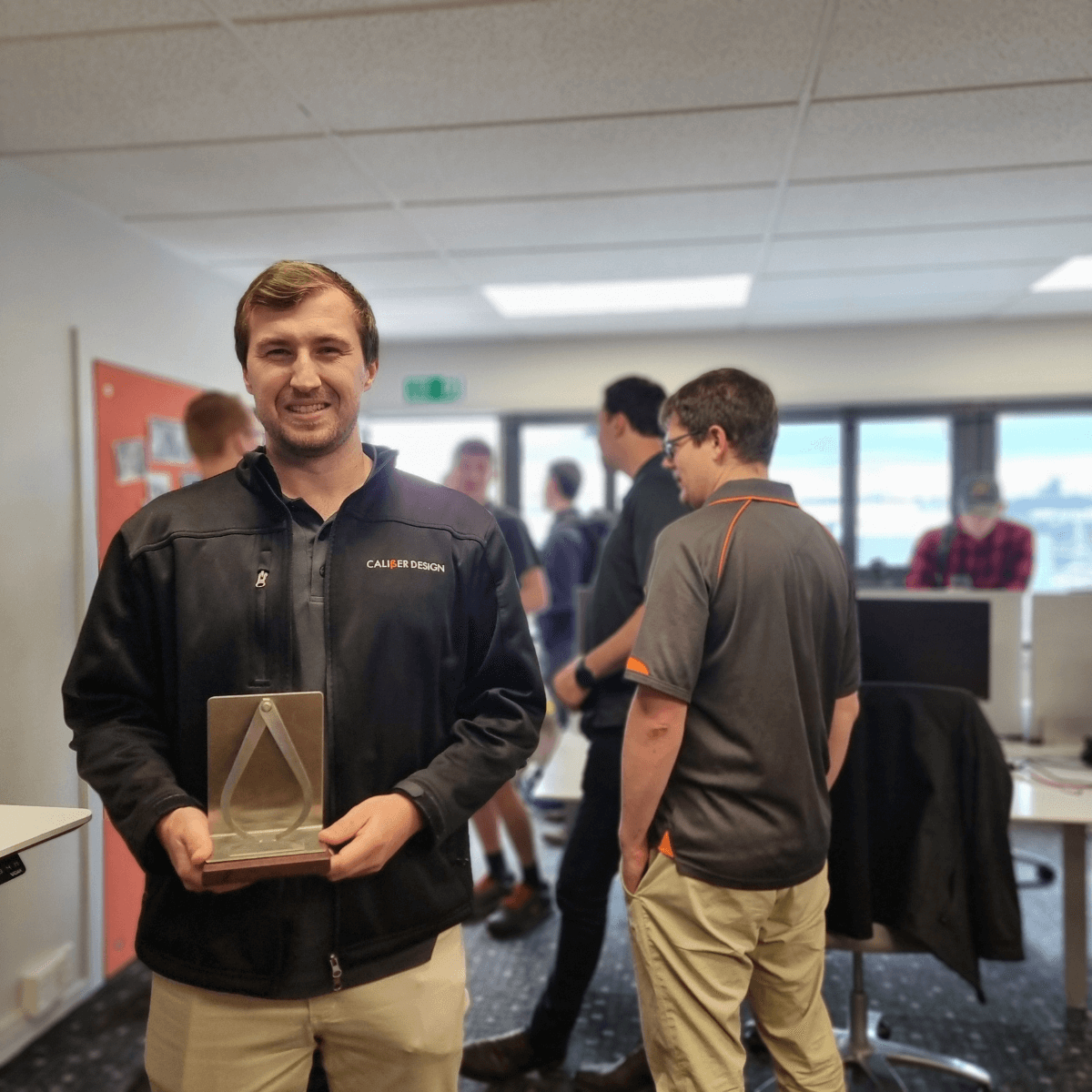
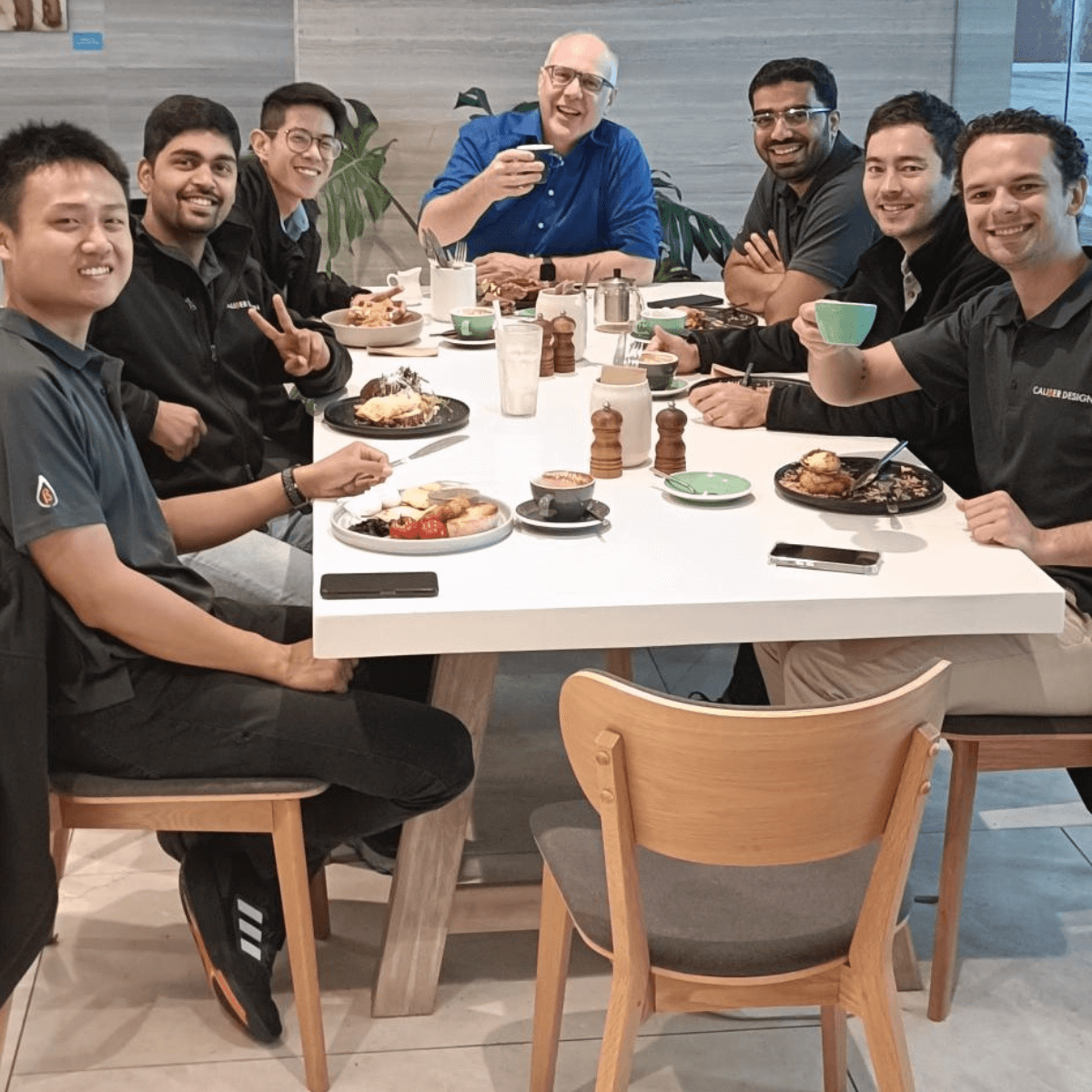
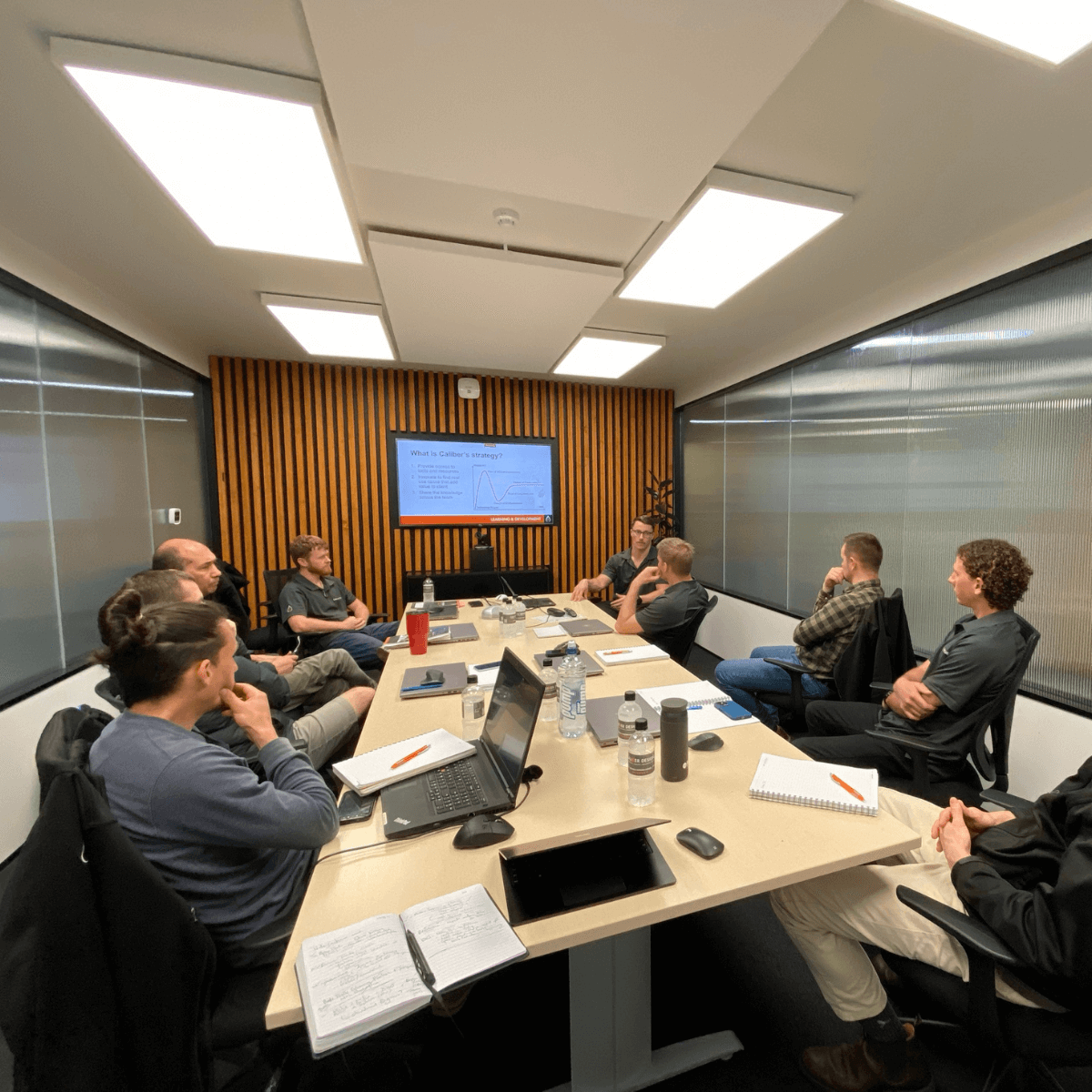
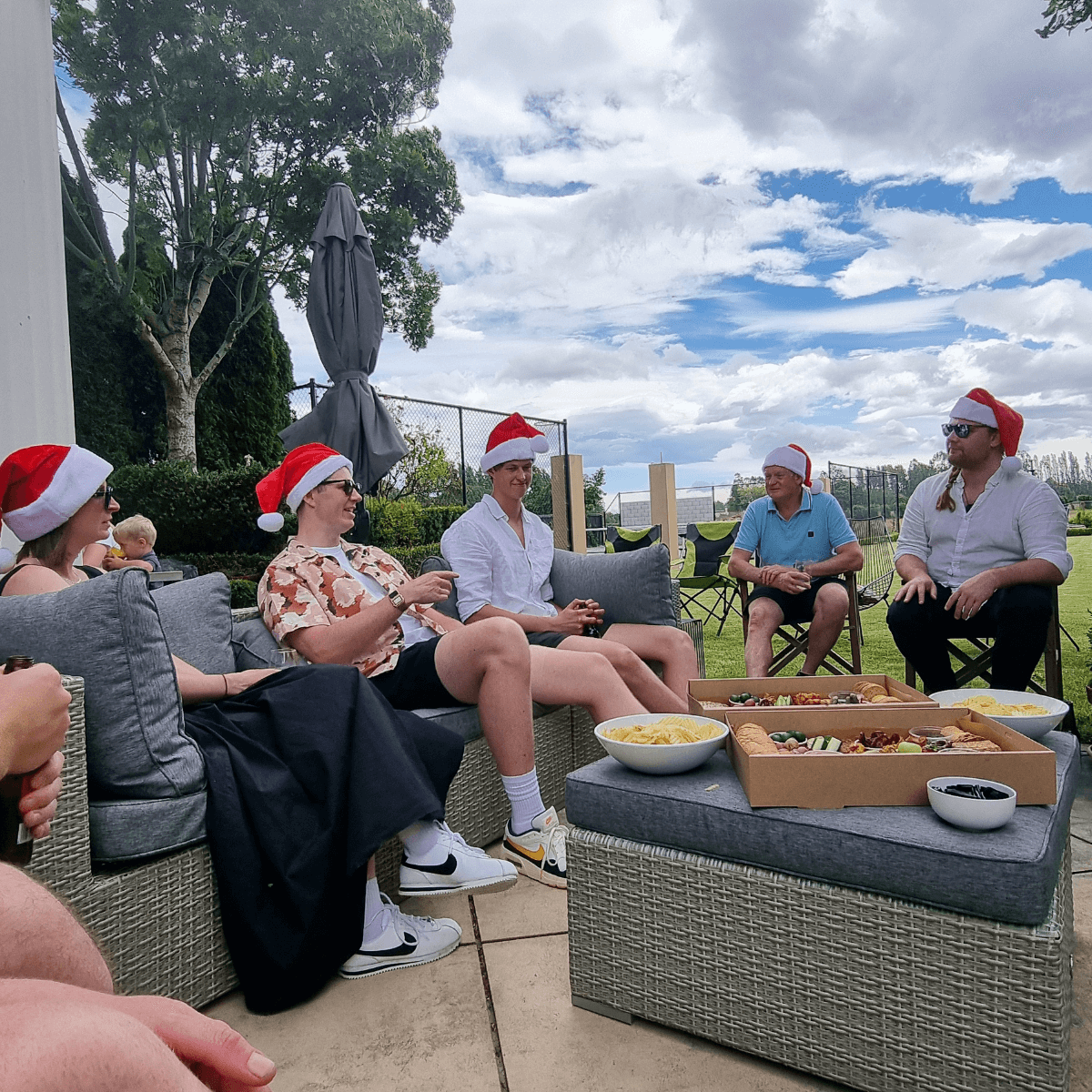
Our seconded engineering model means we need to work hard at getting our team together. A typical month will involve a breakfast or lunch with your Caliber Technical Lead and team, a pub meeting with the whole regional team (which is a quick meeting and then social), and a L&D session of some kind. Quarterly, we do a fun activity, for example, indoor soccer, dragon boat racing, painting, go karting. This year, we have our tenth birthday celebration in Christchurch in March and we’re getting the whole team together for a party!
WHAT’S HAPPENING IN THE INDUSTRY?
Our Celebrating Kiwi Innovation newsletter and keep up with what is happening in the engineering industry across New Zealand. We publish this monthly via email and LinkedIn. We strongly encourage you to subscribe below or via LinkedIn.